Why Bridging agribusiness, Investment and Development?
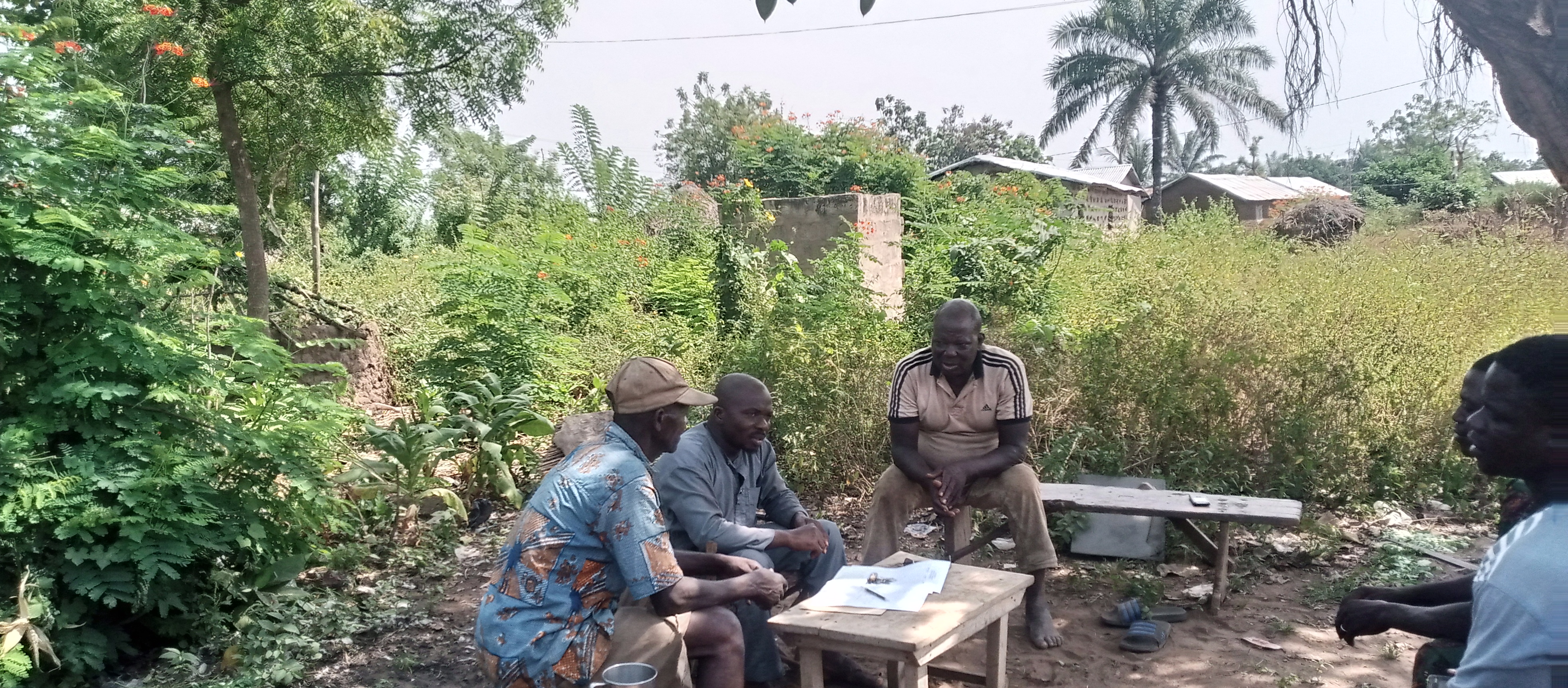
Rural communities possess significant natural and human resources, including arable land, forests, water resources, and valuable local knowledge. Yet many remain underserved, excluded from key decision-making processes, and unable to fully benefit from the opportunities these assets can create.
At AgbleMax, we believe sustainable development is achieved when policy, business, and community development work together. By integrating these elements, we create inclusive solutions that generate economic opportunities while addressing local development challenges.
Our approach begins with identifying available resources and transforming them into high-value economic opportunities. Through strategic investment, innovation, and capacity building, we support initiatives that create employment, strengthen livelihoods, and stimulate local economic growth.
While communities often possess considerable potential, they frequently lack access to strategic planning, technical expertise, market linkages, and financial resources. AgbleMax bridges these gaps by connecting local assets with sustainable business models and development-oriented investments.
By aligning projects with local traditions, cultural values, and community priorities, we ensure that initiatives are practical, widely accepted, and capable of delivering lasting benefits. This approach creates shared value for communities, investors, development partners, and policymakers while fostering long-term social and economic resilience.
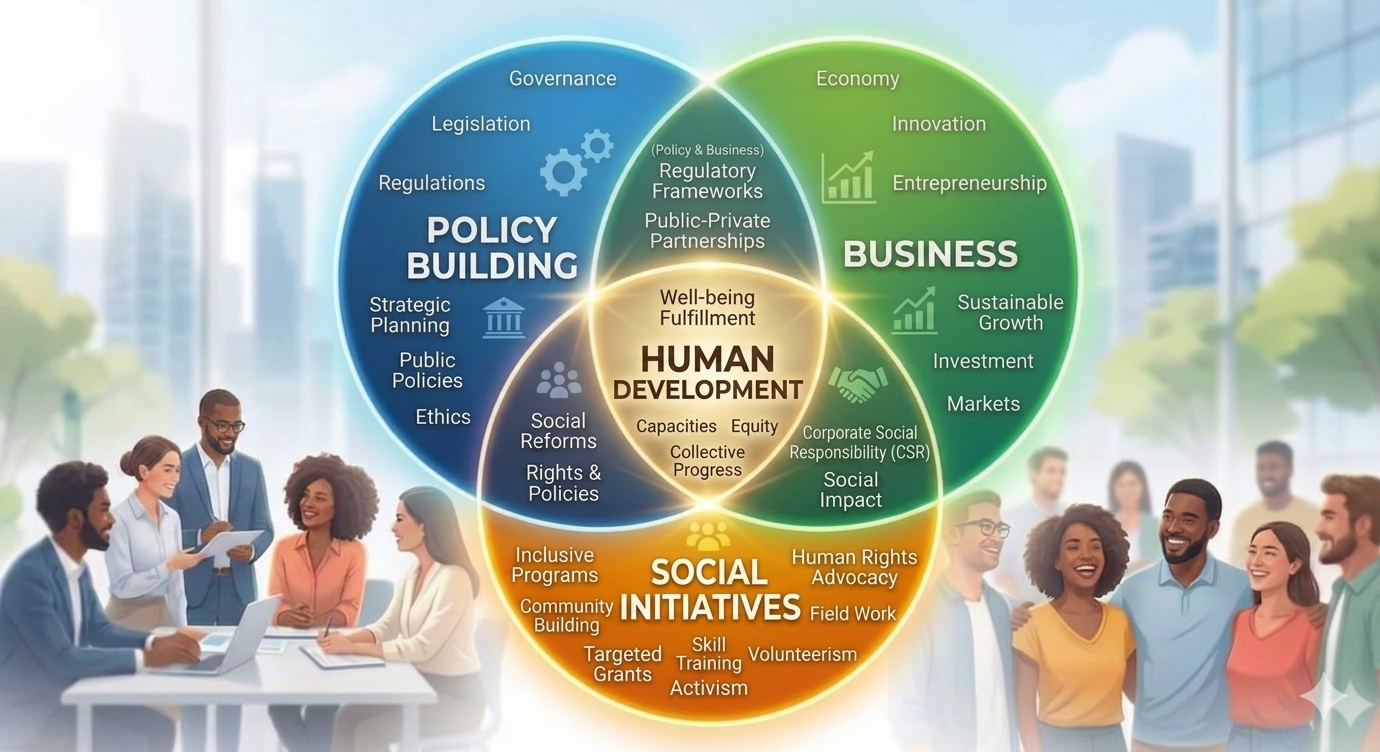
AgbleMax Development Concept Diagram
AgbleMax bridges Agribusiness, Investment, and Development to transform local resources into sustainable enterprises that create jobs, generate income, and drive inclusive development.